The education sector is experiencing a remarkable transformation, and one of the biggest driving forces behind this shift is artificial intelligence. Understanding how AI is changing education in 2026 is essential for educators, students, institutions, and policymakers. AI-powered tools are no longer experimental technologies; they have become practical solutions that improve learning experiences, increase efficiency, and support personalized education. As digital learning continues to expand, AI is helping schools and universities create more engaging and effective educational environments.
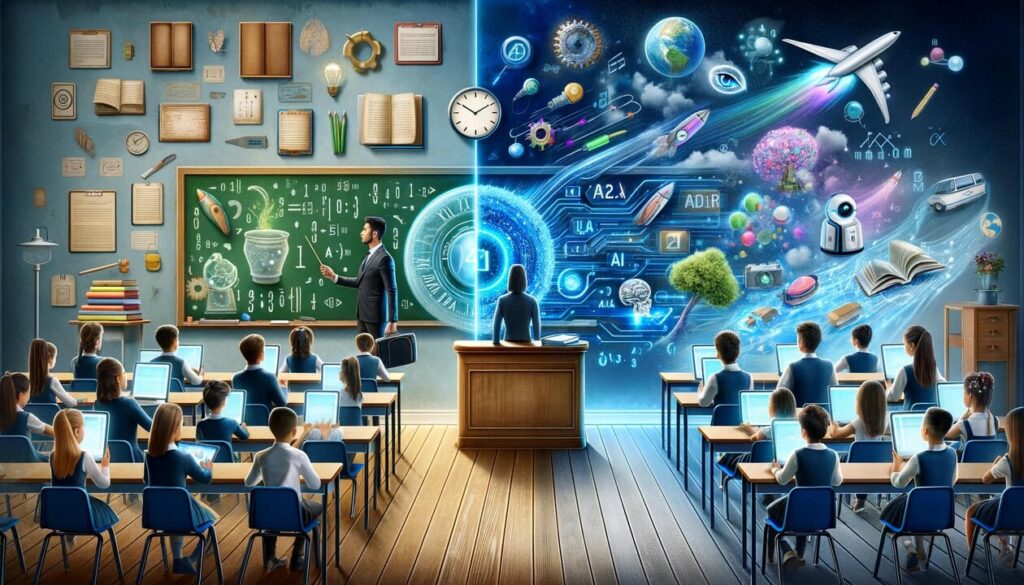
Personalized Learning Experiences
One of the most significant examples of how AI is changing education in 2026 is through personalized learning. Traditional classrooms often follow a standard curriculum that may not suit every learner. AI systems can evaluate individual strengths, weaknesses, learning speeds, and preferences to create customized educational experiences. This personalized approach improves student engagement and helps learners progress at their own pace.
Advanced AI-powered learning platforms collect and analyze data from quizzes, assignments, and classroom activities. Based on this information, they recommend suitable study materials and learning strategies.
Intelligent Tutoring Systems
The rise of intelligent tutoring systems represents another major aspect of how AI is changing education in 2026. These AI-based tutors provide students with instant assistance whenever they encounter difficulties. Unlike traditional tutoring, AI tutors are available around the clock, ensuring continuous learning support regardless of location or time zone.
Enhanced Teacher Productivity
The impact of how AI is changing education in 2026 extends beyond automation. AI-powered analytics help teachers identify struggling students and monitor academic progress more effectively. Educators can use data-driven insights to make informed decisions about lesson planning and intervention strategies. This improved efficiency supports both teaching quality and student success across educational institutions.
Smarter Assessment and Evaluation
Assessment methods have evolved significantly due to advancements in AI technology. Understanding how AI is changing education in 2026 requires examining the role of intelligent evaluation systems. AI can analyze student responses, identify learning gaps, and provide detailed performance reports within seconds, making assessments faster and more accurate.
Modern AI assessment tools evaluate not only multiple-choice questions but also essays, projects, and open-ended responses.
AI-Powered Virtual Classrooms
Virtual learning environments have become more sophisticated with the integration of AI technologies. One important aspect of how AI is changing education in 2026 is the creation of intelligent virtual classrooms that simulate interactive learning experiences. These platforms support collaboration, communication, and engagement regardless of geographical location.
Improved Accessibility and Inclusion
Accessibility has become a major focus in modern education, and AI is playing a crucial role in promoting inclusivity. Understanding how AI is changing education in 2026 involves recognizing its contribution to supporting diverse learners. AI tools help students with disabilities access educational content through innovative assistive technologies.
Features such as speech recognition, text-to-speech conversion, language translation, and real-time captioning are transforming inclusive education.
AI and Skill-Based Education
The modern workforce demands practical skills alongside academic knowledge. This trend has influenced how AI is changing education in 2026, encouraging institutions to focus more on skill-based learning. AI-powered platforms help students develop competencies that align with current industry requirements and future job markets.
Advanced career-focused learning systems assess student interests and recommend relevant courses, certifications, and training programs.
Conclusion
The impact of how AI is changing education in 2026 is profound and far-reaching. From personalized learning and intelligent tutoring systems to virtual classrooms and real-time feedback, AI is reshaping every aspect of education. These advancements are helping students learn more effectively while enabling educators to focus on meaningful teaching and mentorship.
As artificial intelligence in education continues to evolve, its role in enhancing accessibility, improving learning outcomes, and supporting lifelong learning will become even more significant.