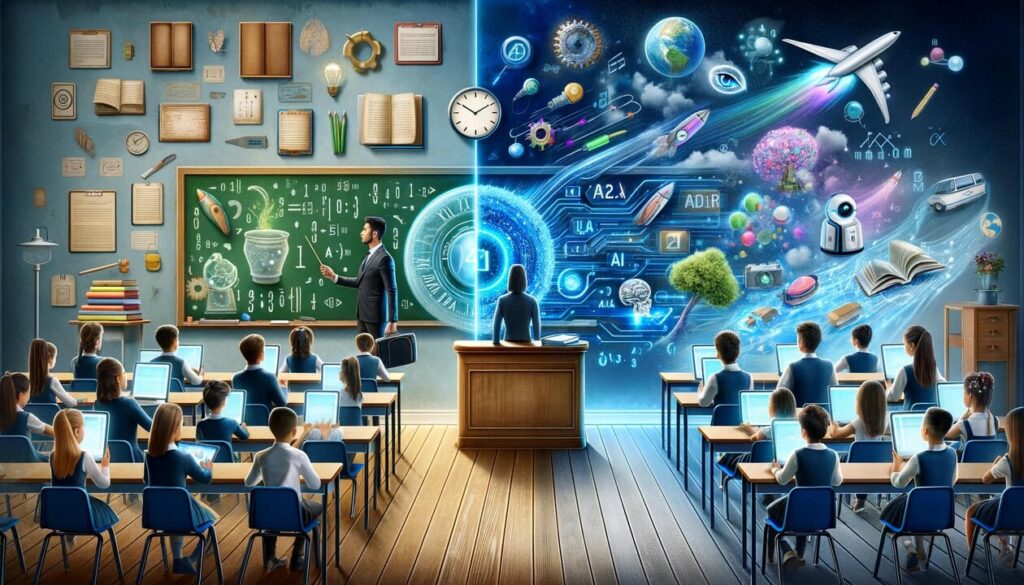
How AI is changing education in 2026 is transforming classrooms, learning methods rows of desks, a single chalkboard, and a one-size-fits-all lecture—is rapidly becoming a relic of the past. As we navigate through 2026, Artificial Intelligence has moved beyond being a mere tech trend to become the backbone of modern pedagogy. It is orchestrating a digital renaissance that prioritizes the individual learner over the average of the mass. Understanding how AI is changing education requires a look at how it empowers both educators and students with tools that were once considered the stuff of science fiction.
The Shift to Hyper-Personalized Learning Pathways
Beyond just pace, AI is now catering to diverse learning styles. Whether a student is a visual learner, an auditory learner, or prefers kinesthetic engagement, AI can transform a single piece of core content into multiple formats. This flexibility ensures that the delivery method matches the neural pathways of the individual student, maximizing retention and engagement. When we examine how AI is changing education, we see that it isn’t just about speed; it is about the fundamental way information is synthesized and presented to ensure that every unique mind can thrive in a digital environment.
Empowering Educators: From Lecturers to Mentors
Generative AI has also revolutionized lesson preparation. Teachers can now prompt AI to create interactive, curriculum-aligned lesson plans, complete with rubrics and multimedia resources, in a fraction of the time. This reduction in burnout is keeping talented educators in the profession longer, directly addressing the global teacher shortage crisis. As scholars analyze how AI is changing education, they find that the technology acts as a force multiplier for human empathy, allowing teachers to spend more time addressing the emotional and social needs of their students rather than getting buried under endless paperwork.
Accessibility and Global Inclusivity in the Digital Classroom
One of the most heartening aspects of this technological revolution is the way it breaks down barriers for students with disabilities. Speech-to-text tools and real-time captioning allow hearing-impaired students to participate in live lectures with full confidence. Similarly, AI-powered screen readers are becoming more nuanced, describing complex images and charts for visually impaired learners. These advancements are not just “features”; they are essential components of a truly inclusive society. Observing how AI is changing Education through the lens of accessibility shows a world where physical limitations no longer dictate intellectual potential.
The Shift Toward Real-Time Feedback and Mastery
how AI is changing education, the traditional model, a student would submit an essay or a math problem set and wait days for feedback. By the time the graded work returned, the student had often moved on, and the learning opportunity was lost. Intelligent tutoring systems have changed this dynamic by providing instantaneous corrections and explanations. This immediate feedback loop is critical for “mastery learning,” where a student must fully grasp a concept before proceeding to the next. It builds a foundation of confidence that prevents the accumulation of knowledge gaps over time.
Enhancing Administrative Efficiency and Institutional Strategy
Beyond the classroom, school administrators are using predictive analytics to improve institutional outcomes and student retention rates. By analyzing historical patterns, AI can identify students who are at high risk of dropping out or failing early in the semester. This allows for targeted counseling and financial aid interventions that can save a student’s academic career. how AI is changing education, These data-driven insights are transforming how schools manage resources, from optimizing bus routes to predicting future enrollment trends. It is a level of operational intelligence that was simply unattainable for most schools just a decade ago.
The Rise of Gamification and Immersive Learning
Engaging the modern student requires more than just textbooks and static slides; it requires immersion. AI is powering sophisticated gamification engines that turn complex subjects into interactive challenges and quests. Whether it is a historical simulation or a virtual chemistry lab, these experiences make learning feel like an adventure. how AI is changing education, When students are deeply engaged in a narrative, their retention rates skyrocket because they are active participants in the story. This shift from “instructional” to “experiential” learning is a hallmark of the modern digital age and its innovative tools.